Nicaragua grows the tobacco that powers most of the premium cigar industry today. But "Nicaraguan tobacco" is not one thing. The country has four distinct growing regions, each producing leaf with its own personality.
The four regions: Jalapa, Estelí, Condega, and Ometepe. Each sits at different elevations, works different soil, and produces tobacco that behaves differently in a blend. The piece explains how altitude, volcanic minerals, and temperature swings shape flavor before the leaf ever hits a fermentation pile.
Jalapa: the smooth operator
Jalapa sits in northern Nicaragua at 2,000 to 3,500 feet. Cooler temperatures slow plant development, which spreads oils more evenly through the leaf. The result is smooth, sweet, refined. Cedar, earth, gradual spice. Jalapa is one of the best wrapper-growing regions in Nicaragua. When a cigar review mentions "complex without being harsh," Jalapa wrapper is often the reason.
Corojo and Habano seed varieties thrive here. The cooler climate lets those genetics express sweetness and structure without the aggression they show in hotter zones.
Estelí: the reputation builder
Estelí is what most people mean when they say "Nicaraguan tobacco." It sits at 2,700 to 3,000 feet in a valley that channels Pacific heat while catching moisture from both coasts. The soil is intensely volcanic. The tobacco is bold, dark, spice-forward.
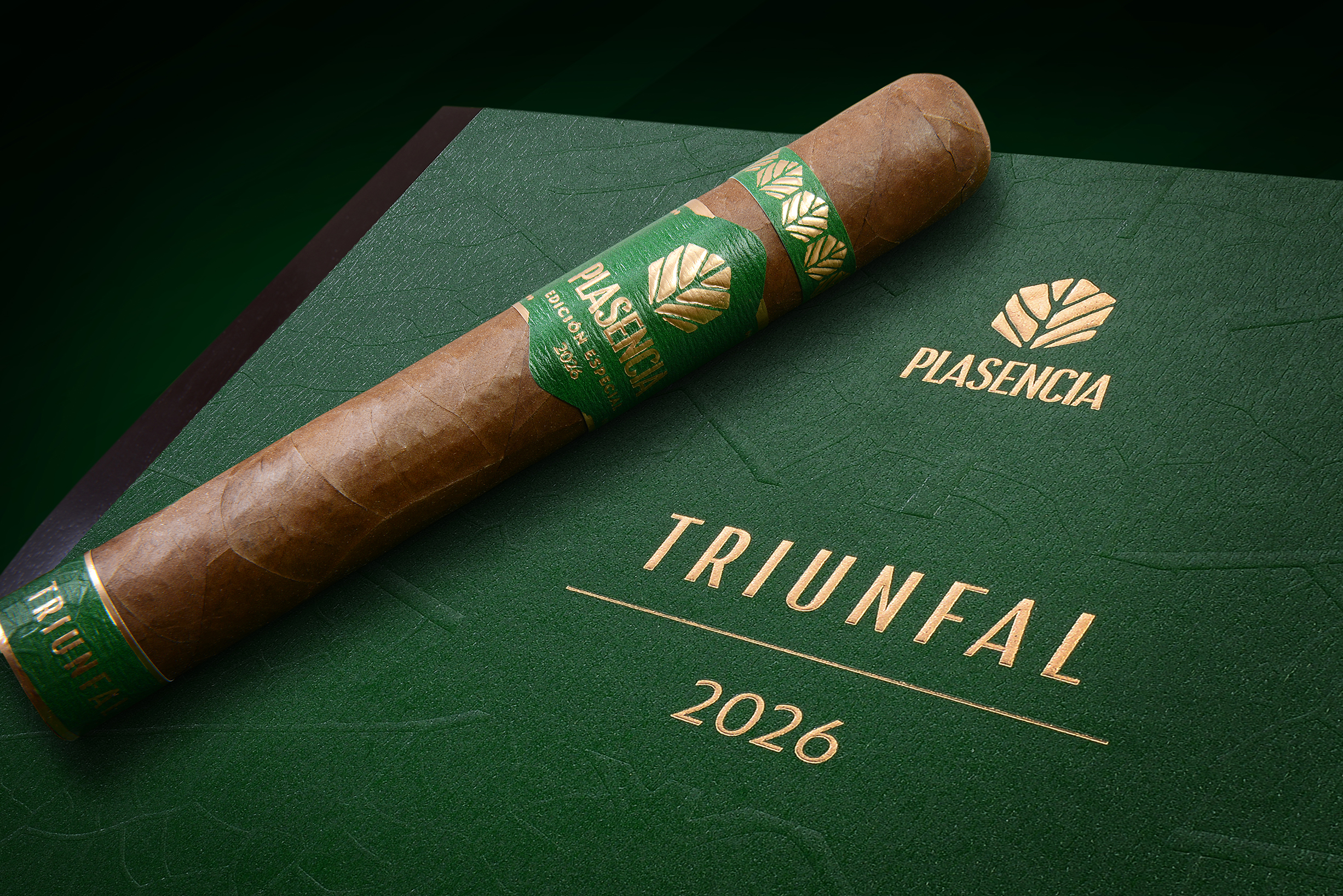
Estelí Ligero is the backbone of full-bodied Nicaraguan blends. Top-priming leaf from this region has oil content and flavor concentration that's hard to match anywhere else. My Father Cigars built a reputation on Estelí-forward blends. So did Plasencia. When a cigar hits with black pepper and deep earth in the first third, Estelí is doing the work.
Condega: the bridge
Condega sits north of Estelí at slightly lower elevation. The soil is sandier, less volcanic. The tobacco is medium-bodied, earthy, woody, with better combustion properties than Estelí and a slightly sweeter finish.
Condega does not get the marketing attention Jalapa and Estelí get, but it shows up constantly as binder and filler. It bridges the gap between Jalapa's refinement and Estelí's intensity. Blenders use it for balance.
Ometepe: the island wildcard
Ometepe is a volcanic island in the middle of Lake Nicaragua. The soil is some of the most mineral-rich tobacco land in the world. The tobacco tastes like it: deep, earthy, funky, complex in a way that experienced smokers immediately recognize as terroir-driven.
Ometepe is not a high-volume source. The leaf is too intense to dominate a blend. Plasencia has been the most prominent grower on the island, and several boutique producers have released single-region Ometepe cigars specifically to show off what the island does.
Why this matters for smokers
A Nicaraguan puro might use Jalapa wrapper, Condega binder, Estelí Seco, and Ometepe Ligero. Four regions, one cigar. That intra-country blending is part of what gives Nicaraguan cigars their reputation for complexity. You are not just getting Nicaraguan tobacco. You are getting a curated combination of everything Nicaragua's microclimates can produce.
When a blend sheet lists regional sourcing in detail, it is usually a sign the producer is taking the blending process seriously. Jalapa for refinement. Estelí for power. Condega for structure. Ometepe for depth. Each region does a job.
Nicaragua became a tobacco powerhouse because the geography is ideal: volcanic soil, reliable rainfall, warm days with cold nights. The temperature swings force plants to develop more oils and sugars as a survival mechanism, concentrating flavor compounds. Cuban-heritage seed varieties brought by relocated manufacturers in the 1990s and 2000s thrived in ways that surprised even experienced growers.
Understanding the regions gives you a working framework for predicting what a Nicaraguan blend will deliver. It also explains why blenders source from multiple zones rather than treating Nicaragua as a single flavor category. Same country. Four personalities. The difference is in the dirt.