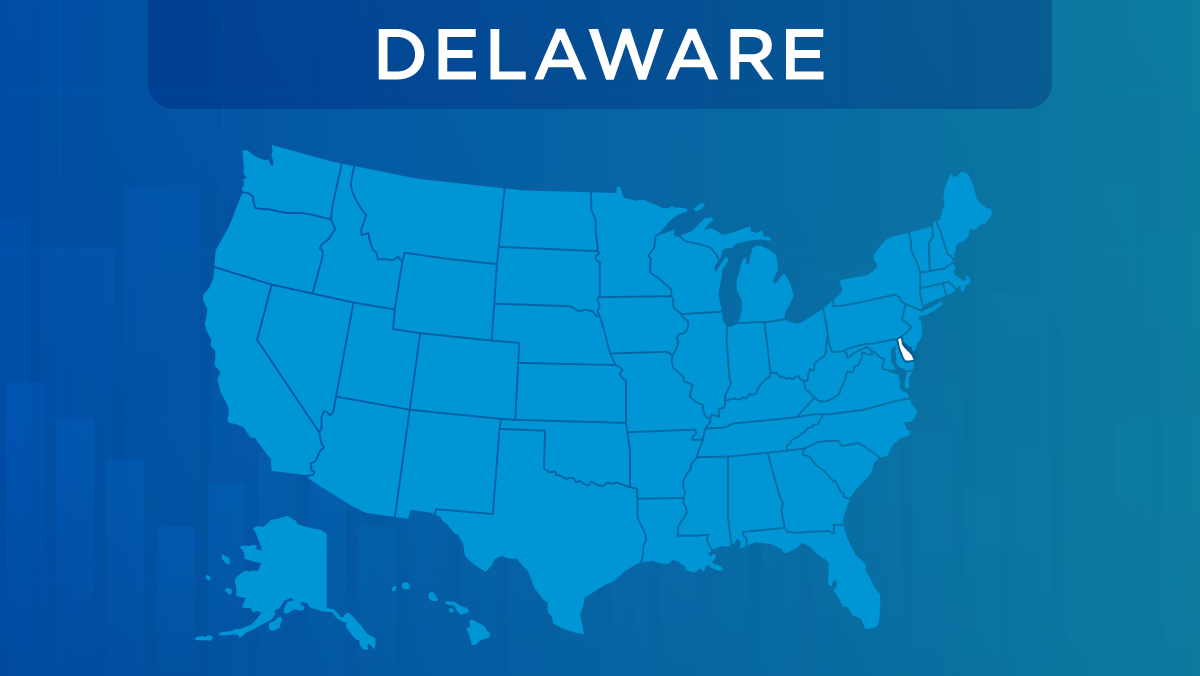
Delaware's House Administration Committee just advanced House Bill 215, a tax hike that raises rates on cigarettes, vapor products, and cigars while claiming it's all about keeping nicotine away from teenagers. WGMD reported the bill passed committee this week and is projected to generate $18.5 million in fiscal 2027, climbing to $26.7 million the year after. The stated goal: reduce youth tobacco use and offset the $532 million annual cost of tobacco-related healthcare in the state.
Here's the problem. The bill hammers premium cigars with a 40% wholesale tax while nicotine pouches, the actual product driving youth use, get the same rate. A $15 premium cigar now costs the retailer $6 more in tax. A tin of Zyn pouches? Maybe a buck. The math doesn't track if the target is kids.
What the bill actually does
HB 215 raises Delaware's cigarette tax from $2.10 to $3.60 per pack. Fair enough. Cigarettes are the public health disaster everyone agrees on. But the bill also:
- Increases the tax on "other tobacco and nicotine products" from 30% to 40% of wholesale price
- Bumps the vapor product tax from $0.05 to $0.10 per milliliter
- Raises moist snuff tax from $0.92 to $1.23 per ounce
- Doubles licensing fees across the board (retailers go from $50 to $100, wholesalers from $200 to $400)
The new rates take effect September 1, 2026. To prevent stockpiling, Delaware's applying a floor tax to inventory held as of August 31. Translation: retailers holding stock on that date get taxed retroactively on cigars they already own.
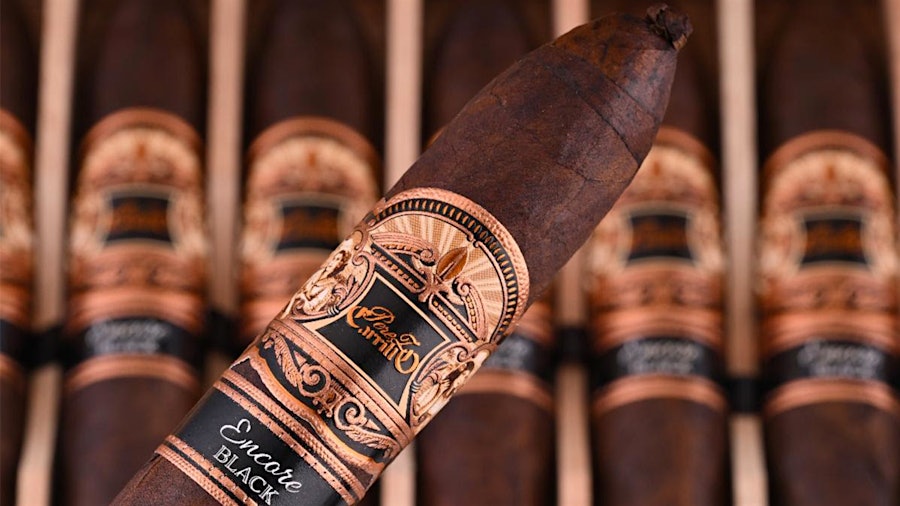
At 40% of wholesale, a box of Padrón 1964s just became a $60 tax liability before the retailer makes a dime.
The retail operator angle
We run a shop. We know what a 10-point wholesale tax increase does to margin. Premium cigars already operate on thin retail markup because the product is expensive and customers comparison-shop. A $15 stick at wholesale becomes $21 after the new tax. The retailer has to eat some of that or watch the customer drive to Maryland, where the rate stays at 30%.
Delaware's framing this as "aligning with neighboring states," but the comparison is dishonest. Pennsylvania's at $2.60 per cigarette pack, Maryland's at $5.00. Sure, Delaware's cigarette tax was low. But cigars aren't cigarettes, and lumping them into the same policy assumes they're interchangeable. They're not. Kids aren't buying Arturo Fuentes. They're buying disposable vapes and nicotine pouches, both of which this bill barely touches relative to impact.
Where the argument falls apart
Sponsor Melissa Minor-Brown, a nurse and Delaware's House Speaker, told WGMD that "young people turn to e-cigarettes, nicotine pouches, and other tobacco products that didn't even exist a decade or two ago." She's right about the problem. The bill just doesn't match the diagnosis.
If nicotine pouches are the youth concern, tax them separately and higher. A 40% rate on a $3 wholesale tin is $1.20. A 40% rate on a $15 cigar is $6. One of those products is in every high school bathroom in America. The other is not. But both pay the same rate under HB 215 because Delaware's using a lazy definition: "any products containing, made of, or derived from tobacco or nicotine."
That's the tell. This isn't targeted policy. It's revenue generation dressed up as public health.
What happens next
The bill moves to the full House. If it passes, it's law by September. Retailers in Delaware have four months to figure out whether they're staying in the premium cigar business or cutting inventory to focus on machine-mades and accessories.
The floor tax is the real kick. Shops that stocked up thinking they'd sell through before any tax change now owe Delaware a cut on cigars they bought under the old rate. That's not policy. That's a shakedown.
Bottom line: Delaware's using cigars as a piggy bank to fund a bill that won't touch the actual youth nicotine problem. If this passes, watch Maryland and Pennsylvania. They'll see the revenue and start drafting their own versions. Keep an eye on this one.